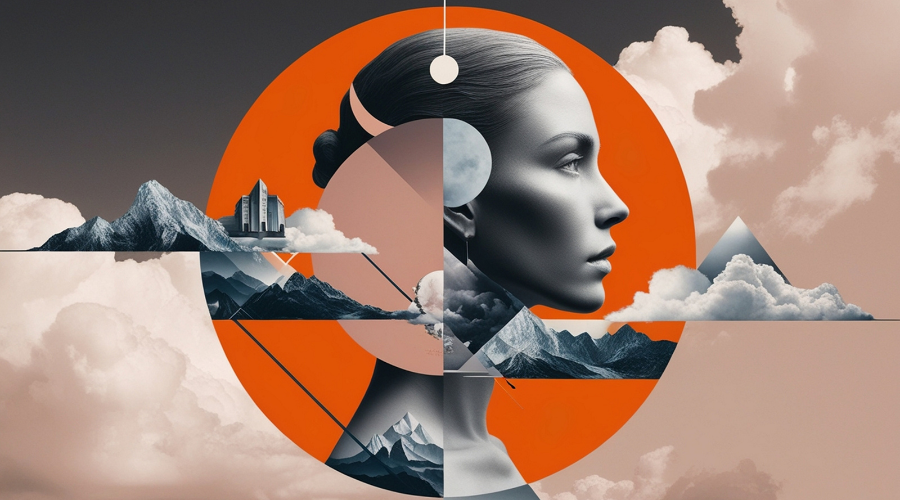
Graphic design has transformed dramatically over the centuries, evolving from simple forms of communication to a sophisticated discipline that integrates technology, art, and marketing. This blog post will take you on a journey through the history of graphic design, highlighting key developments that have shaped the field we know today. Graphic design has evolved over centuries, starting from the use of visual symbols by ancient civilizations to communicate ideas. Early forms of visual communication like cave paintings and Egyptian hieroglyphics laid the foundation for storytelling through images. The printing revolution in the 15th century, with Johannes Gutenberg’s invention of the printing press, marked a major milestone, allowing for mass reproduction of text and images. The 19th century saw the birth of modern graphic design, driven by movements such as Arts and Crafts and Art Nouveau. In the early 20th century, design took on a more functional approach, with Bauhaus and Modernism shaping principles that still influence design today. The post-war era introduced corporate identity and advertising, while the late 20th century saw the digital revolution, with computers transforming the design process. Today, graphic design encompasses a dynamic array of platforms, driven by interactivity, social media, and a focus on user experience. Ancient Beginnings: Early humans used cave paintings and hieroglyphics as visual communication tools, paving the way for modern design concepts. The Printing Revolution: Gutenberg’s printing press democratized information by enabling mass production of books, posters, and advertisements, significantly shaping graphic design. Industrialization and Modernism: The 19th and early 20th centuries brought movements like Arts and Crafts, Bauhaus, and Constructivism, emphasizing craftsmanship, simplicity, and functional design. Post-War Advertising Boom: The rise of consumer culture after World War II placed graphic design at the center of branding and advertising, leading to iconic corporate identities and clean, functional designs like Swiss style. Digital and Social Media Era: The digital revolution and social media platforms have expanded the scope of graphic design, with new focus areas like web design, UX design, and responsive, interactive visuals.
How to Stay Creative as a Designer
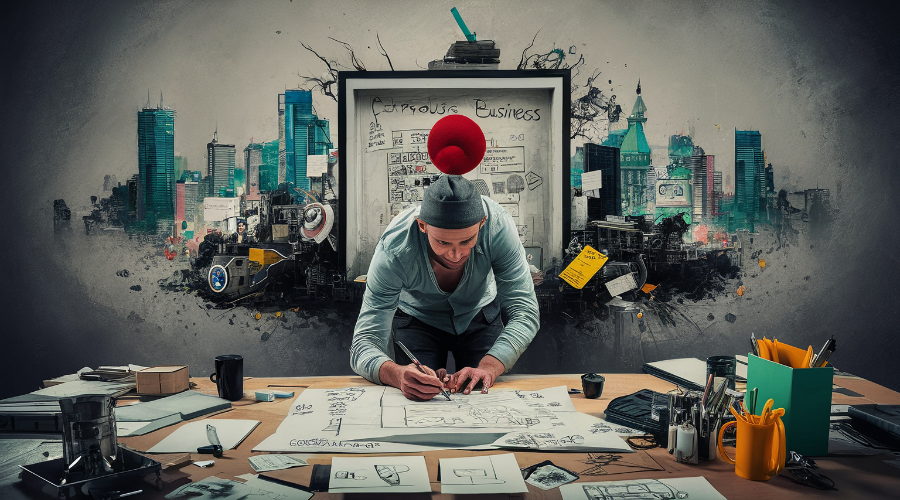
Creativity is the lifeblood of design, but even the most inspired designers can experience lulls in their creative energy. Staying innovative and fresh in your approach requires intentional practices and a willingness to explore. In this blog post, we’ll explore practical strategies to help you maintain your creativity and keep your design skills sharp. Creativity in design thrives on curiosity, routine, and inspiration. Cultivating a curious mindset encourages exploration, allowing you to see problems from new angles and draw from diverse fields like technology, psychology, or nature. Establishing a creative routine helps maintain a balance between structured work and free experimentation. Surrounding yourself with inspiration, whether through physical mood boards or following creative leaders on social media, can spark new ideas. Interestingly, embracing constraints, such as working with a limited color palette or participating in design challenges, can push your creativity further. Lastly, collaborating with others and sharing ideas fosters growth, offering fresh perspectives and feedback to refine your work. Curiosity Fuels Creativity: Embrace exploration and ask questions to challenge assumptions, looking beyond design for inspiration in diverse fields. Set a Creative Routine: Dedicate specific time for brainstorming, experimenting, and incorporating breaks to allow creative ideas to flow. Find Inspiration in Your Environment: Use inspiration boards and follow creatives on social media to stay motivated and generate new ideas. Embrace Constraints: Setting design limitations can spark innovative solutions and push you to think creatively. Collaborate and Seek Feedback: Engaging with design communities and seeking feedback from peers can offer valuable insights and inspire new creative directions.
Understanding Color Theory in Design
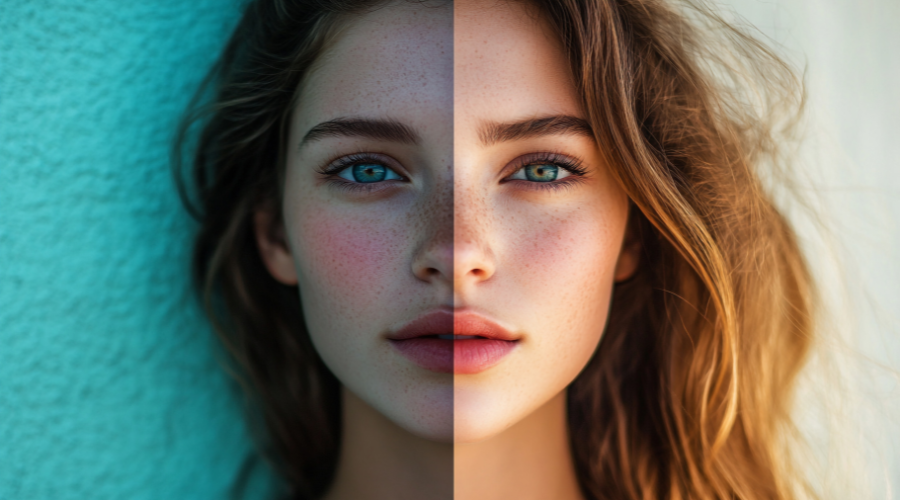
Color is one of the most powerful tools in design, influencing emotions, guiding perceptions, and even affecting decision-making. Whether you’re a seasoned designer or a novice, grasping the fundamentals of color theory can elevate your work and enhance your ability to communicate effectively. In this blog post, we’ll delve into the key principles of color theory and how they can be applied in design. What is Color Theory? Color theory is a set of principles used to understand how colors interact with one another and how they can be combined harmoniously. It encompasses concepts from the color wheel, color harmony, and the psychological effects of color. By understanding these principles, designers can create visually appealing compositions that resonate with their audience. The Color Wheel The color wheel, developed by Isaac Newton, is a visual representation of colors arranged according to their chromatic relationship. It serves as a foundational tool for understanding color relationships and is divided into three main categories: Primary Colors: Red, blue, and yellow. These colors cannot be created by mixing other colors. Secondary Colors: Green, orange, and purple. These are formed by mixing equal parts of two primary colors. Tertiary Colors: These are created by mixing a primary color with a secondary color (e.g., red-orange, blue-green). Color Harmony Color harmony refers to aesthetically pleasing color combinations that create a sense of balance and order. Here are some popular color schemes: Complementary Colors: Colors that are opposite each other on the color wheel (e.g., blue and orange). These create a high contrast and vibrant look when used together. Analogous Colors: Colors that are next to each other on the color wheel (e.g., blue, blue-green, and green). These combinations are harmonious and often found in nature. Triadic Colors: Three colors that are evenly spaced on the color wheel (e.g., red, yellow, and blue). This scheme offers vibrant contrasts while maintaining balance. Monochromatic Colors: Variations in lightness and saturation of a single color. This creates a cohesive and unified look, perfect for minimalistic designs. The Psychology of Color Colors evoke emotions and can significantly impact how a design is perceived. Here are some common associations: Red: Passion, energy, urgency. Often used in sales and food branding. Blue: Trust, calm, professionalism. Popular in corporate branding. Green: Nature, health, tranquility. Frequently used in eco-friendly designs. Yellow: Optimism, cheerfulness, caution. Effective for grabbing attention. Purple: Luxury, creativity, mystery. Common in beauty and high-end brands. Applying Color Theory in Design Define Your Brand: Identify the emotions and messages you want to convey through your brand. Choose a color palette that aligns with these values. Consider Your Audience: Different cultures and demographics may have varying associations with colors. Research your target audience to select colors that resonate with them. Experiment and Iterate: Use tools like Adobe Color or Canva’s color palette generator to experiment with different combinations. Test your designs to see how the colors work together in various contexts. Maintain Accessibility: Ensure your color choices are accessible to all users, including those with color vision deficiencies. Tools like contrast checkers can help you maintain legibility and accessibility. Stay Current: Color trends can change, so keep an eye on industry trends and seasonal palettes. Websites like Pantone offer insights into popular color trends each year.
How to Build Your Graphic Design Skills: From Beginner to Pro
Graphic design is an exciting and rewarding field that blends creativity with technical skill. Whether you’re just starting out or looking to elevate your abilities to a professional level, building your graphic design skills requires dedication, practice, and a structured approach. In this blog, we’ll outline a step-by-step guide to help you progress from a beginner to a pro graphic designer. Understanding the fundamentals is the first step in mastering graphic design. This includes color theory, typography, and layout principles, all of which form the foundation for creating visually appealing designs. Familiarizing yourself with essential design tools like Adobe Creative Suite, Affinity Designer, and Canva is crucial, as these will be the primary tools for creating professional-quality work. Start by working on simple design projects and gradually increase their complexity as you gain confidence. Along the way, seeking feedback and building a strong portfolio will help refine your skills and showcase your work to potential clients or employers. As you advance, learning specialized techniques like motion graphics or 3D design, staying updated with industry trends, and networking with peers will help you stay relevant in the fast-evolving world of graphic design. Grasp the Fundamentals: Understanding core concepts like color theory, typography, and layout is crucial for creating well-balanced and visually appealing designs. Master Design Tools: Proficiency in widely-used software like Adobe Creative Suite, Affinity Designer, and Canva is essential for any designer. Practice Through Projects: Start with simple design projects and increase complexity over time to build confidence and experience. Seek Feedback and Build a Portfolio: Constructive feedback helps refine your skills, and a diverse portfolio showcases your abilities to potential clients or employers. Stay Updated and Network: Keeping up with industry trends and connecting with other designers helps you stay relevant and open doors to collaboration opportunities.

How to Build a Stunning Portfolio: A Step-by-Step Guide
Creating a stunning portfolio is essential for showcasing your skills, attracting potential clients, or landing your dream job. Whether you’re a designer, writer, photographer, or any other creative professional, a well-crafted portfolio can set you apart from the competition. Here’s how to build a portfolio that stands out. Creating a stunning portfolio is essential for showcasing your skills, attracting potential clients, or landing your dream job. Whether you’re a designer, writer, photographer, or any other creative professional, a well-crafted portfolio can set you apart from the competition. Before diving into the design, it’s important to define your purpose and audience. Clarify whether you are targeting employers, clients, or collaborators to guide the style and content of your portfolio. Next, choose the right format — whether it’s a print portfolio for face-to-face meetings or a digital version like a website or PDF for online sharing. Focus on curating your best work, emphasizing quality over quantity by selecting 10-15 pieces that showcase your creativity, range, and relevance to your audience. Finally, tell the story behind each project, including your role, the problem you solved, and the outcome, to help viewers understand your thought process and skills. Tailor to Your Audience: Understanding who will view your portfolio helps shape the content and design to meet their expectations. Quality Over Quantity: Showcase a curated selection of your best work, focusing on pieces that demonstrate versatility and creativity. Tell the Story Behind Your Work: Give context by explaining the challenges, your process, and the results of each project to show your problem-solving abilities. Maintain Visual Appeal: A clean, organized, and visually consistent layout improves user experience and reflects your design sensibility. Keep It Updated and Accessible: Regularly refresh your portfolio with new work, make your contact information easy to find, and promote your portfolio across various channels to increase visibility.
The Role of Graphic Design in Marketing
In today’s visually driven world, graphic design has become an integral part of marketing strategies. From branding to advertisements, the right design can elevate a company’s message, making it more compelling and memorable. This blog explores the vital role of graphic design in marketing and how it can help businesses achieve their goals. In today’s visually driven world, graphic design has become an integral part of marketing strategies. From branding to advertisements, the right design can elevate a company’s message, making it more compelling and memorable. Graphic design plays a pivotal role in establishing a strong brand identity through logos, color schemes, typography, and imagery that create a cohesive representation of the brand. It enhances communication by simplifying complex ideas, making information more digestible through visuals such as infographics. Compelling graphic design also drives engagement and conversions in digital marketing, helping businesses attract potential customers. By differentiating from competitors and building trust through professional, polished visuals, brands can stand out in a saturated market. Staying updated with design trends, like minimalism and bold typography, further ensures a business stays relevant and connects with its target audience. Brand Identity: Graphic design helps create a cohesive brand identity through elements like logos, color schemes, and typography that foster recognition and trust. Enhanced Communication: Visual content simplifies complex information, making messages more digestible, engaging, and easier to remember. Engagement and Conversion: Eye-catching graphics in ads, social media, and websites can attract potential customers and improve conversion rates. Differentiation from Competitors: Unique and professional designs help a brand stand out in a crowded market and convey its unique value proposition. Adapting to Trends: Staying updated with design trends, such as minimalism or sustainable design, keeps a brand relevant and appealing to modern consumers.
How to Stay Creative as a Designer: Tips for Sustaining Your Inspiration
Creativity is the lifeblood of design. As a designer, staying inspired can be both exhilarating and challenging. Whether you’re working on a new project, facing a tight deadline, or dealing with creative blocks, maintaining your creative spark is essential. Here are some practical tips to help you stay creative and inspired in your design journey. To stay creative as a designer, embrace curiosity by exploring new ideas and learning new skills through workshops and online resources. Create a diverse inspiration board that captures your evolving tastes and interests. Sometimes, stepping away from your work can bring fresh ideas, while collaborating with others offers new perspectives. Experimenting with different styles and techniques, staying organized, and reflecting on your work are essential for continuous creative growth. Finally, everyday life can be a valuable source of inspiration—pay attention to details in architecture, nature, and art to ignite your creativity. Embrace Curiosity: Stay curious by exploring new design trends, learning through workshops or online courses, and engaging with creative communities to keep your inspiration flowing. Create a Diverse Inspiration Board: Visualize your ideas through a constantly updated inspiration board that mixes different styles and elements from your personal experiences. Take Breaks to Refresh: Regular breaks, mindfulness practices, or hobbies outside of design can refresh your mind and lead to breakthrough moments of creativity. Collaborate for Fresh Ideas: Working with other designers or professionals from different fields introduces new perspectives and stimulates creative brainstorming. Experiment and Take Risks: Pushing the boundaries by trying new styles, techniques, and tools helps you grow as a designer and uncover unexpected, rewarding results.
Exploring Graphic Design Specializations
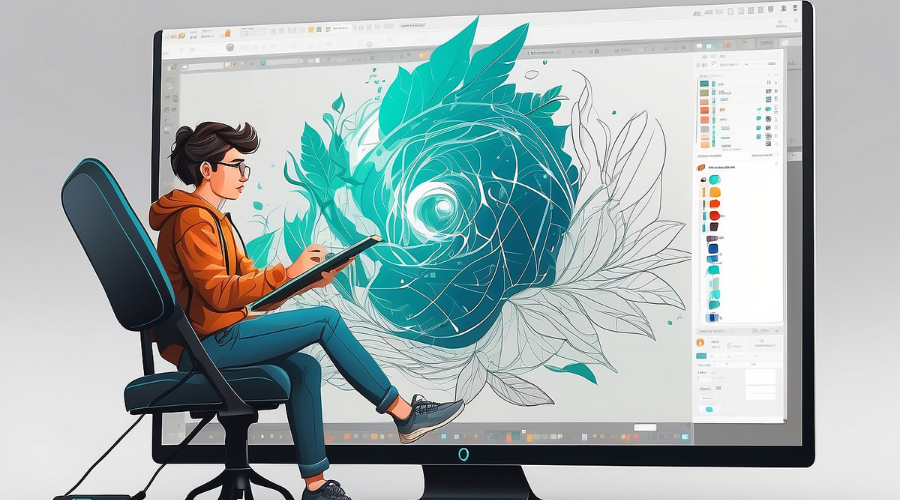
Graphic design is a diverse and dynamic field, encompassing a variety of specializations that cater to different skills, interests, and industries. Whether you’re a budding designer or an experienced professional looking to pivot, understanding the various areas of graphic design can help you carve out a niche that aligns with your passions and career goals. In this blog, we’ll explore some of the most popular graphic design specializations, their key characteristics, and how to determine which path might be right for you. Branding and identity design focuses on creating a brand’s visual representation, including logos, color schemes, and typography that convey its essence. Web and UX design involve designing websites and applications with an emphasis on user experience and navigation. Print design, despite the digital era, is essential for creating physical marketing materials like brochures and packaging. Illustration, on the other hand, is about crafting unique artwork for various mediums, ranging from books to merchandise. Motion graphics and animation combine storytelling and design to create engaging content for videos and interactive media. Branding and Identity Design: Focuses on developing a brand’s visual elements like logos and color schemes to convey its essence. It requires creativity, market research, and consistency. Web and UX Design: Involves designing websites and digital experiences with a focus on aesthetics and user-friendliness. Skills in coding, user research, and navigation are essential. Print Design: Despite the digital age, print design is vital for creating marketing materials like brochures and posters. It requires expertise in layout, typography, and color management. Illustration: Centers on creating original artwork for various platforms, often using a unique style. Illustrators work in both traditional and digital mediums. Motion Graphics and Animation: Combines graphic design and animation to create visual content for videos and interactive media, requiring storytelling and technical skills in animation software.
indian sex videos telegram channel ★ Join Top 31+ Adult Channels ➔ Access Exclusive Content Now
indian sex videos telegram channel – Discover a variety of Indian adult content on Telegram! ✓ Join now to access exclusive videos and connect with like-minded users. ➔ 100% satisfaction guaranteed!